
Grandma never read a personal finance blog. She never heard the phrase “compound interest” used as a flex on social media. And yet, somehow, she usually ended up with a paid-off house, a full pantry, and zero credit card debt, while plenty of people with finance degrees today are drowning in both.
That’s not nostalgia talking. It’s math.
A lot of what passed for “common sense” two generations ago turns out to be backed by real behavioral economics. The people studying decision-making and money psychology today are, in many cases, just rediscovering what grandma already knew through trial, error, and rationing during hard times.
Here are 15 of her best tricks, and the surprisingly modern reasons they worked.
1. She Paid Herself First, Literally With Cash in Envelopes
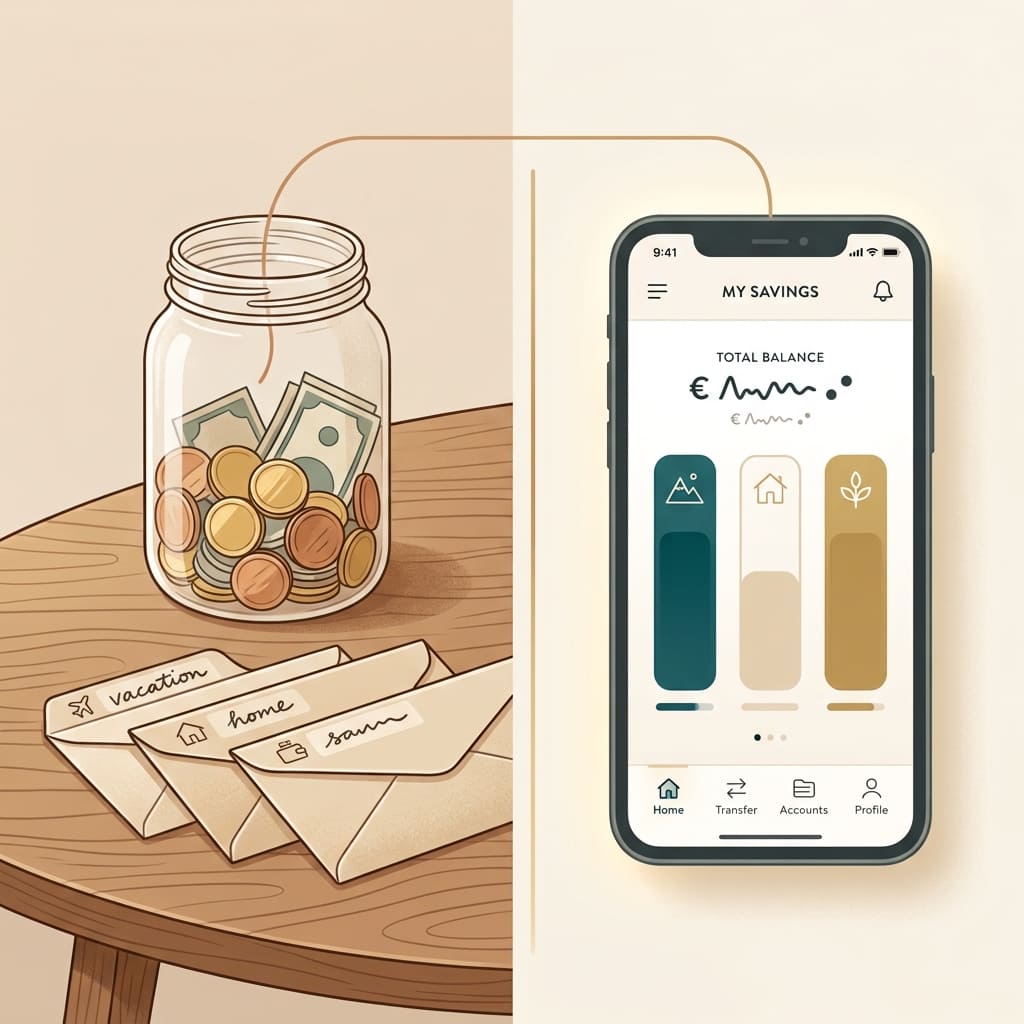
Long before “automate your savings” became a productivity buzzword, grandma was putting cash into labeled envelopes the moment she got paid. Rent envelope. Groceries envelope. “Don’t touch this” envelope.
This wasn’t primitive. It was structurally smarter than how most people budget today. Researchers call this mental accounting, the tendency for people to treat money differently depending on which “bucket” it’s mentally assigned to. When money is invisible, sitting in one big checking account, it gets spent more easily. When it’s physically separated, your brain treats it as already gone.
Modern apps try to replicate this with digital sub-accounts. Grandma did it with a coffee tin.
2. She Never Bought Anything the Week She Got Paid
There’s a well-documented psychological pattern where people are far more willing to spend right after receiving income, because money feels abundant and “found.” Grandma’s habit of waiting a few days before making any non-essential purchase wasn’t superstition. It was a built-in cooling-off period that prevented impulse spending tied to that temporary feeling of flush pockets.
3. She Repaired Before She Replaced
This is where her habits start overlapping with one of the most underrated wealth principles: the cost of convenience compounds quietly over a lifetime. A patched coat doesn’t just save the price of a new one. It avoids the chain reaction of replacing things that were never actually broken, just inconvenient.
This is closely related to a pattern worth examining on its own. Plenty of household items get replaced out of habit rather than necessity, which is exactly the territory covered in 17 Household Items You Should Almost Never Buy Brand New.
4. She Distrusted “Deals” That Required Spending More to Save More
“Buy two, get one free” is a modern marketing trick, but grandma had an instinctive resistance to it. She’d ask the obvious question nobody asks anymore: do I actually need three of this?
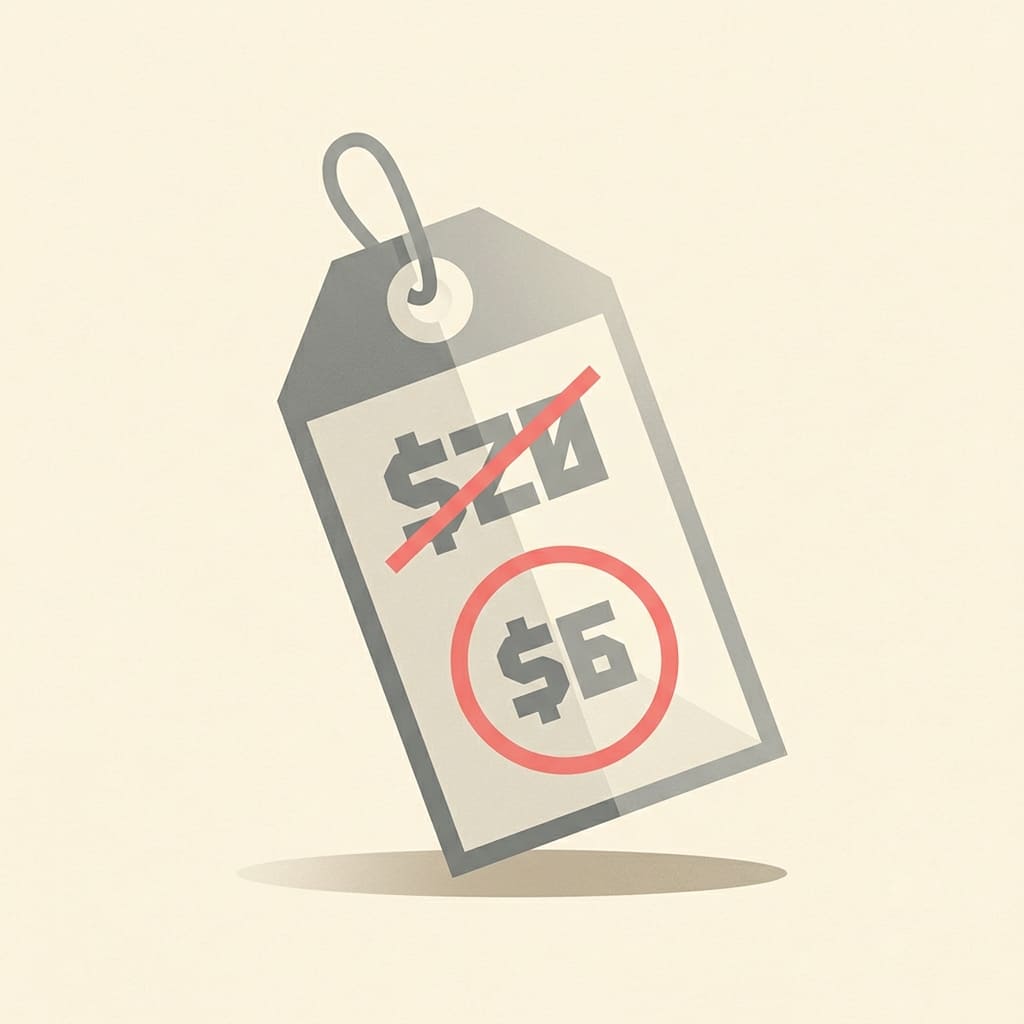
This intuition lines up with a well-known cognitive trap called anchoring. When a store sets a reference price (say, $30) and then “discounts” it to $20, your brain judges the $20 as a win, even if $20 was never a fair price to begin with. Grandma didn’t need a behavioral economics term for it. She just thought discounts were often a trap dressed up as a gift.
5. She Knew the Real Cost of Cheap Things
There’s a particular kind of financial regret that doesn’t show up immediately. It shows up six months later, when the cheap version of something breaks and you’re buying it again, this time paying twice for one item. Grandma’s rule of thumb was simple: buy quality for things you use daily, save on things you use rarely.
This is the same logic behind a phenomenon worth digging into further, the gap between what something costs today and what it actually costs you over time, which is the whole premise behind 13 Purchases That Feel Cheap Today but Become Expensive Regrets Later.
6. She Treated Debt as an Emergency Tool, Not a Lifestyle
Credit didn’t disappear in grandma’s era, but the social norm around it was completely different. Debt was for emergencies, not for upgrading your couch. Today’s average household carries revolving credit card debt as a default state, not an exception.
The interesting part isn’t the discipline itself. It’s what economists now confirm: debt used for non-appreciating purchases (furniture, vacations, gadgets) tends to create a long-term wealth drag that’s almost invisible month to month but devastating over a decade, because the interest compounds against you instead of for you.
7. She Grew, Preserved, and Stretched Food Instead of Throwing It Away
Food waste wasn’t an environmental talking point in grandma’s kitchen, it was just money she refused to throw in the trash. Vegetable scraps became broth. Stale bread became pudding. Leftovers were a meal, not a problem.
The modern equivalent of this thinking shows up in something economists call the “convenience tax,” the hidden premium people pay for pre-cut, pre-packaged, single-use versions of things they could easily stretch further themselves. It’s a quiet, repeated cost that rarely feels like overspending in the moment, which is exactly why it adds up so much over a year.
8. She Bought Secondhand Without Shame
Thrift stores, hand-me-downs, estate sales, grandma treated these as smart shopping, not a last resort. There was no social stigma attached to buying something used. That mindset alone likely saved her family thousands over a lifetime, especially on items that depreciate the moment they’re unwrapped.
This ties directly into a pattern that’s easy to overlook: plenty of everyday products carry a brand-new markup that has nothing to do with quality and everything to do with psychology, the exact phenomenon broken down in 16 Everyday Products Most People Overpay for Without Knowing It.

9. She Negotiated Almost Everything
Grandma’s generation negotiated prices at markets, with repairmen, even occasionally with doctors’ offices. Somewhere along the way, modern consumers absorbed the idea that prices are fixed and non-negotiable. They often aren’t. Many service-based costs (medical bills, contractor quotes, even some retail prices) still have built-in room for negotiation that most people never test.
10. She Understood “Enough” Better Than Most Investors Do Today
This one is subtle, but it might be the most financially sophisticated habit on this entire list. Grandma generally knew when she had enough. Enough food in the pantry. Enough saved for winter. Enough house for the family.
Modern investing culture, by contrast, often struggles with an idea behavioral economists call the hedonic treadmill, where each new level of income or wealth simply resets your expectations higher, leaving you no happier and often less financially secure than before. People with significantly higher incomes today frequently report the same financial anxiety as people earning far less, because their sense of “enough” rose right alongside their paycheck.
11. She Avoided Lifestyle Creep by Keeping Up With No One
There was no algorithm showing her what her neighbors were buying. Comparison was limited and local. Today, the average person is passively exposed to curated highlights of other people’s spending dozens of times a day, which research increasingly links to higher discretionary spending and lower savings rates. Grandma’s relative isolation from comparison wasn’t a disadvantage. It was accidental financial protection.
12. She Made a Big Purchase Only After Sleeping on It (Multiple Nights)
Today this gets dressed up as a “24-hour rule.” Grandma’s version was less formal but often stricter: weeks of consideration before any major purchase. The psychology behind this holds up well. Emotional spending impulses fade significantly within just a few days, while the value of an actual need does not. If you still want it in two weeks, it was probably a sound decision all along.

13. She Diversified Without Calling It That
Grandma rarely owned stocks. But she diversified in other ways, multiple small income streams, a garden as a food hedge, skills she could trade or barter. The principle underneath modern portfolio diversification (don’t depend entirely on one source for your financial survival) is the same principle she applied to an entire household.
14. She Kept a Cash Buffer, Not Just a Bank Balance
Having some money set aside that wasn’t tracked, optimized, or invested wasn’t inefficiency. It was insurance against panic decisions. Behavioral finance research consistently shows that people without accessible emergency cash make significantly worse financial decisions under stress, including the kind that can undo years of careful saving in a single bad month.
15. She Measured Wealth in Years of Security, Not Dollars in an Account
Perhaps grandma’s biggest edge was simply how she defined being financially okay. Not a number. A feeling of being prepared. That mental shift, from chasing a dollar figure to building genuine security, is arguably the single biggest difference between people who feel constantly behind financially and people who feel at peace with what they have, regardless of their actual net worth.
The Real Takeaway
None of these habits required a finance degree, a brokerage account, or a single spreadsheet. They required patience, a tolerance for delayed gratification, and a healthy suspicion of anything trying to convince you to spend faster than you needed to.
Modern financial advice often focuses on optimization: better interest rates, better tax strategies, better apps. Grandma’s approach focused on something upstream of all of that: behavior. And behavior, it turns out, accounts for far more of someone’s long-term financial outcome than the specific financial products they choose.
If you want to see how deep this rabbit hole goes, both in terms of what’s worth keeping secondhand and what’s quietly draining your wallet new, the two related posts linked above are a good next stop.
If this article made you rethink even one habit, send it to the person in your life who still has grandma’s recipe box. They’ll probably recognize every single item on this list.