
Here’s an uncomfortable truth about money: the purchases that hurt you most rarely look expensive at the moment you make them. They look smart. Reasonable. Even frugal.
That’s not an accident. It’s a function of how your brain prices things.
Behavioral economists have a name for the mental shortcut at work here: it’s a version of what’s called “narrow framing,” the tendency to evaluate a single decision in isolation rather than in the context of dozens of similar decisions you’ll make over a lifetime. A $40 purchase doesn’t feel like $40. It feels like nothing, because your brain isn’t comparing it to your net worth in 2040. It’s comparing it to the $40 in your wallet right now.
This is why the truly expensive purchases in life rarely come with a big price tag attached. They come disguised as small ones, repeated often enough, or as decisions whose real cost is deferred so far into the future that your brain never connects the dots.
Below are 13 of the most common offenders. Some will sting. A few might make you laugh, in the way you laugh at something that’s a little too true.
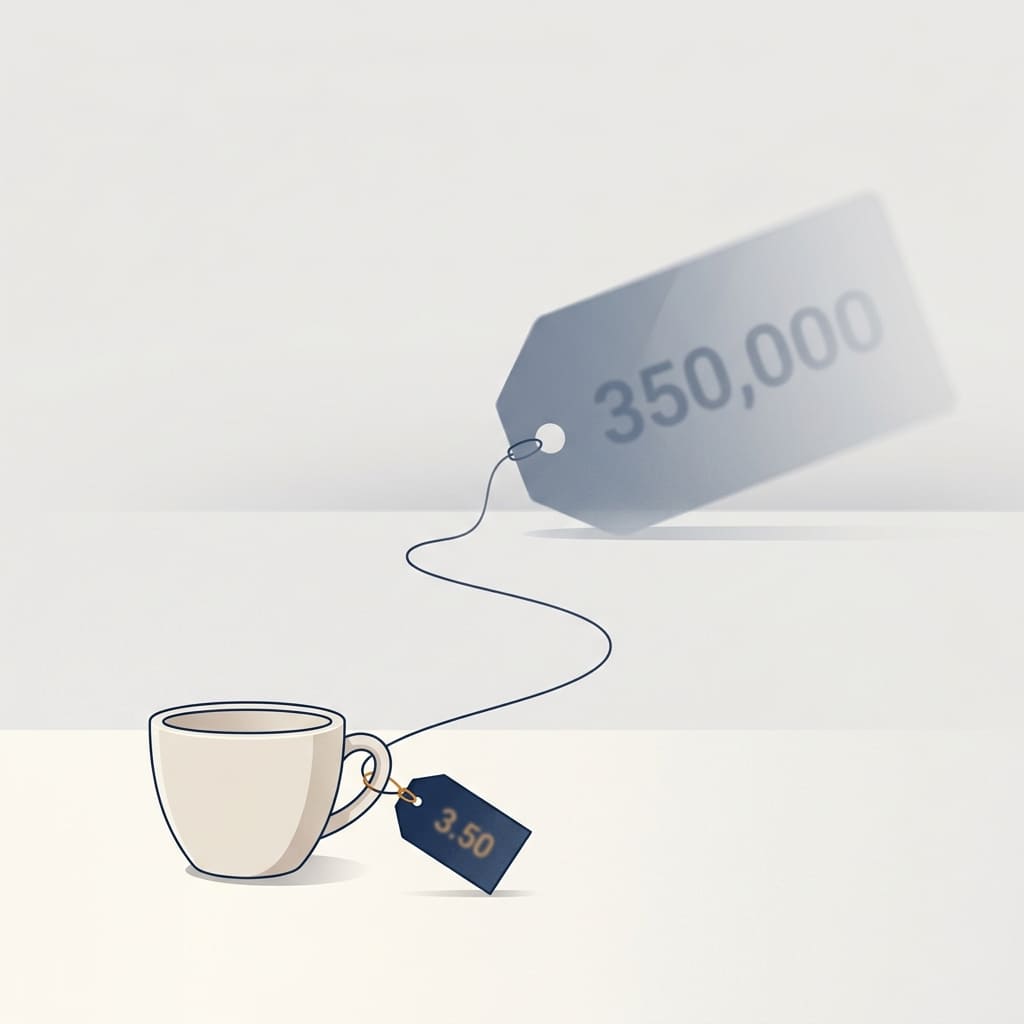
1. The “good enough” version of something you’ll replace three times
Buying the cheapest version of a durable good (a pair of work boots, a mattress, a laptop) often costs more over a decade than buying the well-made version once. This is sometimes called the “cost per use” trap, and it’s one of the cleanest examples of how short-term thinking quietly drains long-term wealth. The $60 boots that fall apart in eight months and get replaced four times in three years cost more than the $180 boots that last a decade.
Most people never run this math. They just see the smaller number and feel responsible.
2. Subscriptions that outlive their usefulness
The average person is paying for at least one subscription they’ve forgotten about entirely. Streaming services, apps, software trials that quietly converted to paid plans. Individually, none of these feel like a financial decision at all. That’s exactly the design. A subscription is engineered to be a single yes followed by years of silence.
This is closely related to a pattern we explored in depth in our post on 16 Everyday Products Most People Overpay for Without Knowing It: the cost of convenience compounds in ways that are almost invisible month to month, but devastating viewed across five years.
3. The “treat yourself” purchase that becomes a baseline
The first time you order the upgraded version, the nicer hotel room, the premium seat, it feels like a treat. The fifth time, it’s just what you do now. This is lifestyle creep, and it’s dangerous precisely because it never announces itself. Your spending rises to match your income, then your comfort, then your identity, and at no point does it feel like a decision. It feels like normal life.

4. Buying based on the monthly payment instead of the total cost
Car dealers, furniture stores, and electronics retailers have all learned the same lesson: people don’t think in totals, they think in monthly numbers. “$89 a month” feels nothing like “$5,340 over five years,” even though they’re the same number. This single reframing trick is responsible for more bad purchases than almost any other sales tactic in existence.
5. Skipping insurance you “probably won’t need”
Renters insurance, term life insurance, even an extended warranty on something genuinely expensive. The math on these is asymmetric: the cost of being wrong is wildly disproportionate to the cost of being right. Most people underinsure not because they’ve done the math, but because the premium feels real today and the disaster feels imaginary.
6. The financial product that’s free because you’re the product
“No-fee” checking accounts, “free” trading apps, “free” credit monitoring. Somebody is paying for the infrastructure behind these services, and if it isn’t you directly, it’s you indirectly, through payment for order flow, data sales, or upsells you’ll encounter later. This is the same hidden-cost pattern we dig into in our piece on 13 Money Mistakes That Feel Smart in the Moment but Cost You Later: the bill always arrives, it just arrives somewhere you’re not looking.
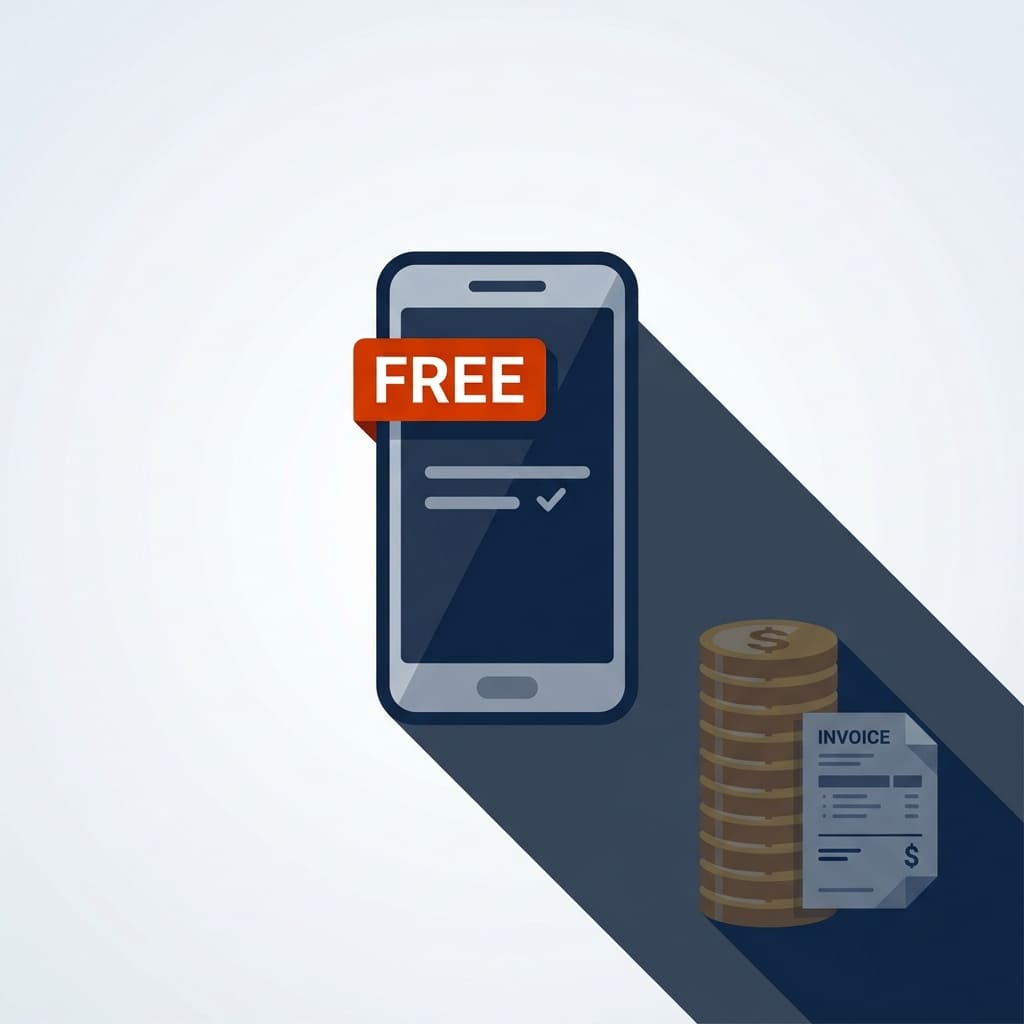
7. Cheap debt used to buy depreciating things
A 0% promotional financing offer feels like a free purchase. It rarely is. The behavioral trap here is that “0% interest” gets mentally filed under “this purchase costs nothing,” which then unlocks spending on the rest of the item’s price that wouldn’t have happened with cash sitting in front of you. Cheap debt doesn’t make a bad purchase good. It just makes it easier to ignore.
8. The DIY purchase that costs you in hidden hours
Buying tools, materials, or software to “do it yourself and save money” only pays off if you account for the actual value of your time. Plenty of people spend a weekend and $300 in materials on a project a professional would have done in four hours for $400, then call it a win. It wasn’t. This is one of the more uncomfortable items on this list because it requires admitting your weekend isn’t free, even when it feels free.
9. Buying the trend instead of the tool
Fitness equipment, kitchen gadgets, productivity gear bought because everyone online seems to have one. The purchase is rarely about the object. It’s about borrowed identity, the sense that owning the thing moves you closer to becoming the person who uses it well. Most of these end up in a closet within six months, which means the real price wasn’t the sticker price. It was the sticker price divided by zero uses.
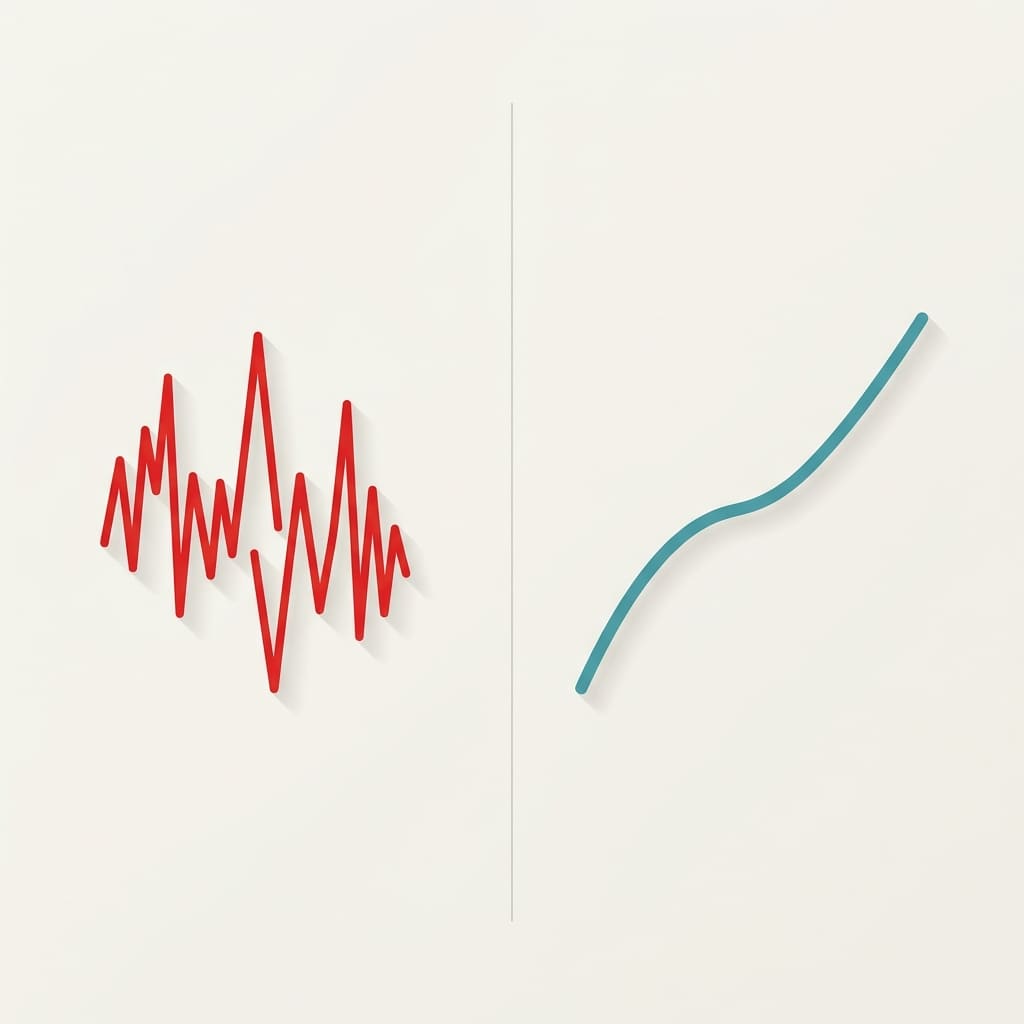
10. Investments chosen for excitement instead of evidence
This is where cheap-feeling decisions get genuinely expensive. Picking individual stocks, speculative crypto positions, or “hot tip” investments because they’re fun to talk about at dinner is a behavioral trap dressed up as financial strategy. The data on this is unambiguous: most individual investors who actively trade underperform a simple low-cost index fund over long periods, largely because of overtrading and bad timing, not because of bad luck. You can read the long-run research on this directly through sources like Morningstar (https://www.morningstar.com) or community-vetted breakdowns on Bogleheads (https://www.bogleheads.org), and the conclusion repeats itself across decades: boring, cheap, and consistent beats exciting almost every time.
There’s a deeper layer here, too. Two people can earn identical incomes for twenty years and end up with completely different net worths, not because one was smarter, but because one kept choosing excitement and the other kept choosing evidence. That gap, and exactly how it compounds, is something we mapped out in our piece on money mistakes that feel smart in the moment but cost you later.
11. Paying full price out of impatience
Waiting two weeks for a sale, a restock, or a price drop feels like nothing when you imagine it in advance, and feels unbearable in the moment of wanting something now. Impulse purchases aren’t expensive because of the item. They’re expensive because of the premium you pay for not waiting, a premium that, stacked across a lifetime of small impatiences, quietly funds someone else’s retirement instead of yours.
12. The upgrade you bought to impress people who weren’t paying attention
The nicer car, the bigger TV, the upgraded phone purchased partly, even subconsciously, for how it will be perceived. Most of the people you’re trying to impress are too busy worrying about their own version of the same purchase to notice yours. This is a strange, slightly humbling psychological loop, and once you see it, it’s hard to unsee.
13. Avoiding a purchase that would have saved you money long-term
The flip side deserves a place on this list. Skipping a $200 preventative car repair that turns into a $2,000 engine replacement. Avoiding a $150 ergonomic chair that contributes to a chronic back issue. Frugality aimed at the wrong target doesn’t save money, it just delays and inflates the cost. Genuinely frugal people, the kind who build real wealth, are often surprisingly generous spenders in narrow, specific categories: the categories that prevent bigger losses later. We unpacked exactly which categories those are, and why frugal people treat them as non-negotiable, in our breakdown of 14 Things Frugal People Never Waste Money On (Even When They Can Afford Them).
The pattern underneath all 13
Every item on this list shares the same fingerprint: the cost is real, but it’s been moved somewhere your brain doesn’t naturally look, either into the future, into hidden fees, into lost time, or into a comparison you never bothered to make. None of these purchases are stupid in isolation. They’re only expensive in aggregate, viewed across years instead of moments.
The fix isn’t to never spend money. It’s to occasionally ask the one question almost nobody asks at the register: “Is this cheap right now, or is it cheap forever?” Those are very different questions, and only one of them matters.